Eddy Current Separators


Eddy Current Separators for Non-Ferrous Metal Recovery
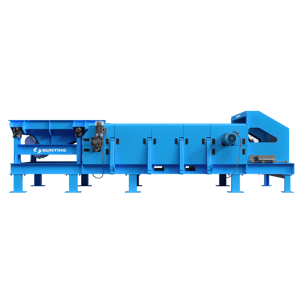
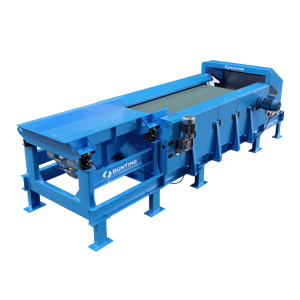
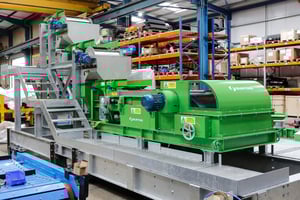
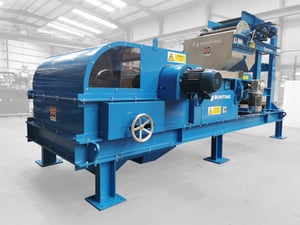
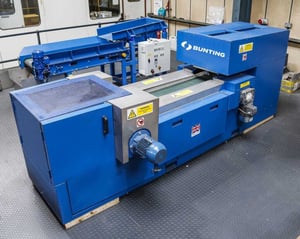
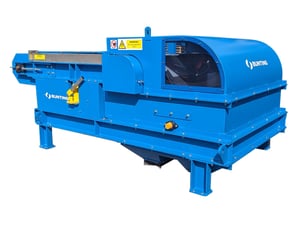
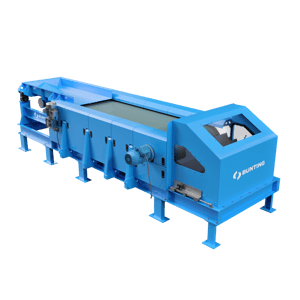
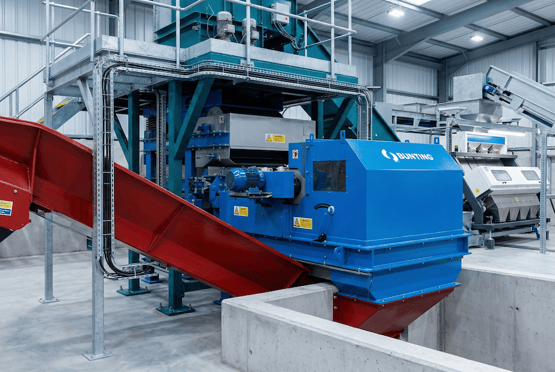
Eddy current separators recover conductive non-ferrous metals from mixed material streams. A high-speed magnetic rotor creates a rapidly changing magnetic field that repels metals such as aluminum, copper, and zinc away from non-conductive material.
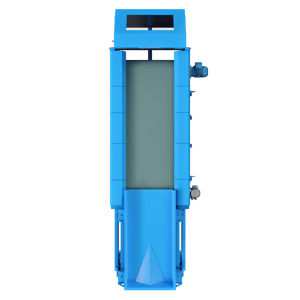
Material travels on a short belt conveyor over the rotor at the discharge end. Belt speed, rotor speed, and splitter position can be adjusted for the feed, helping improve product purity and metal recovery while reducing manual sorting.
How Eddy Current Separation Works
- Feed: A belt conveyor presents a consistent layer of material to the magnetic rotor.
- Induction: The high-speed rotor creates a changing magnetic field that induces electrical currents in conductive particles.
- Repulsion: Conductive non-ferrous metals are projected forward, while non-conductive material follows its normal path.
- Collection: An adjustable splitter separates the two material streams.
Eddy Current Separator Models
| Model | Magnet Rotor Ø | Poles | Belt Widths | Best For |
|
High-Frequency Eccentric (HIFE) |
500 mm (20 in) |
30 |
1,000-2,000 mm (40-80 in) |
Super Fines ≥ 1 mm (0.04 in) (e-scrap, shredded battery waste) |
|
High-Intensity Eccentric (HIE) |
190 mm (7.5 in) |
24 |
300-1,250 mm (12-50 in) |
Fines ≥ 3 mm (0.12 in) (e-scrap, granulated plastic) |
|
High-Intensity Concentric (HIC) |
300 mm (12 in) |
24 |
300-2,000 mm (12-80 in) |
Mixed recyclables, wood, glass ≥ 10 mm (0.39 in) |
|
Eco Concentric (ECO) |
190 mm (7.5 in) |
12 |
750-1,250 mm (30-50 in) |
Household & C&I waste ≥ 20 mm (0.79 in) |
Quick-Change Belt
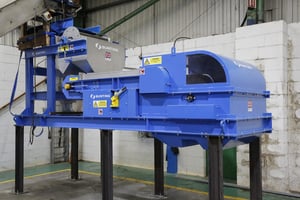
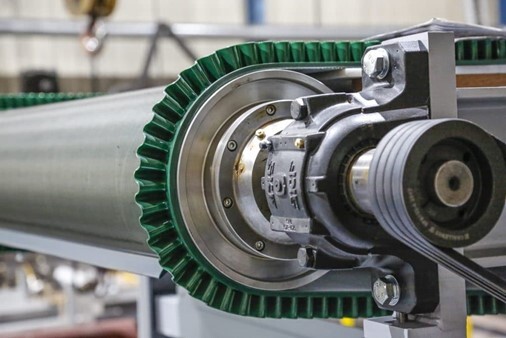
The HIE, HIC, and ECO models include an underframe cantilever jacking system. One technician can replace the conveyor belt without removing the rotor, reducing downtime while protecting rotor alignment.
Benefits of Bunting Eddy Current Separators
- Designs
- Throughput
- Options
Eccentric vs. Concentric Eddy Current Separators: What's the Difference?
Bunting manufactures both eccentric and concentric rotor eddy current separators, each designed for specific material characteristics and recovery goals. The key distinction lies in the position of the magnetic rotor within the head pulley and how the magnetic field interacts with the conveyed material.
-
In concentric designs, the rotor sits centrally inside the pulley, delivering a symmetrical magnetic field. This setup offers balanced repulsion and is ideal for coarser non-ferrous metals in steady feed conditions.
-
In eccentric designs, the rotor is offset within the pulley shell, focusing the magnetic field at a single discharge point. This improves the separation of small, lightweight, or low-conductivity particles, especially when targeting fines under 10 mm (0.39 in).
Choosing between the two depends on your material's particle size, conductivity, throughput, and purity requirements.
Comparison Table: Eccentric vs. Concentric Eddy Current Separators
| Feature | Eccentric Rotor ECS | Concentric Rotor ECS |
|---|---|---|
| Rotor Position | Offset from center | Centered in pulley |
| Magnetic Field | Focused | Symmetrical around shaft |
| Best For | Fines < 10 mm (0.39 in) | Bulkier metals > 10 mm (0.39 in) |
| Throw Efficiency | Intensified localized repulsion | Strong, even throw |
| Precision Sorting | Excellent | Good |
| Common Models | HIE (High-Intensity Eccentric) | HIC (High-Intensity Concentric) |
Typical Applications & Throughput
(Metric range followed by rounded imperial range)
| Application | Particle Size | Recommended ECS | Max Capacity (t / h / m) |
|---|---|---|---|
|
Aluminum Dross (Oversize) |
20-200 mm (0.8-8 in) |
HIC |
20 |
|
Aluminum Dross (Screened) |
0-20 mm (0-0.8 in) |
HIE / HIFE |
5 |
|
Household Refuse (unsorted) |
0-300 mm (0-12 in) |
ECO |
20 |
|
Household Refuse (pre-sorted) |
50-200 mm (2-8 in) |
ECO |
10 |
|
Glass - Cullet (Bottles Crushed) |
0-50 mm (0-2 in) |
HIC |
20 |
|
Glass - Light Bulbs (Crushed) |
0-30 mm (0-1.2 in) |
HIE / HIFE |
7 |
|
Incineration Ash |
0-40 mm (0-1.6 in) |
HIC |
20 |
|
Plastic Waste (Granulated) |
3-10 mm (0.1-0.4 in) |
HIE / HIFE |
2 |
|
Scrap (Oversized Frag) |
0 – 150mm (0 - 6") |
HIC |
20 |
|
Scrap (Screened Frag) |
10-40 mm (0.4-1.6 in) |
HIE / HIFE |
15 |
|
UPVC Window Frames (Screened) |
10-40 mm (0.4-1.6 in) |
HIE / HIFE |
20 |
|
WEEE (Electronic Scrap) |
0-30 mm (0-1.2 in) |
HIE / HIFE |
20 |
|
White Goods |
40-150 mm (1.6-6 in) |
HIC |
20 |
|
Woodchip |
0-60 mm (0-2.4 in) |
HIC |
13 |
Optional Equipment and Integration
- Sequenced PLC control cabinet
- Ceramic coating for the carbon-fiber rotor shell
- Custom chassis with primary ferrous separation using a drum, pulley, or overband magnet
- Rotary or static belt brushes for sticky or wet feed
- Laboratory-scale units for trials at Bunting's UK Recycling Test Facility
FAQs
An eddy current separator is a recycling machine that uses a high-speed magnetic rotor to separate conductive non-ferrous metals such as aluminum, copper, and zinc from non-conductive material. It is often installed after a drum magnet or another separator that removes ferrous metal.
Bunting offers four main eddy current separator configurations:
- High-Frequency Eccentric (HIFE) for very fine particles down to 1 mm
- High-Intensity Eccentric (HIE) for fines down to 3 mm
- High-Intensity Concentric (HIC) for mixed recyclables and particles 10 mm (16/64") and larger
- Eco Concentric (ECO) for general household recycling, non-ferrous metals above 25mm (1")
An eddy current separator uses a high-speed magnetic rotor below a conveyor belt to create a rapidly changing magnetic field. When conductive non-ferrous metal passes over the rotor, the field induces an electrical current in the metal, producing a repulsive force that projects it forward.
Non-conductive material follows its normal trajectory. An adjustable splitter divides the two streams. Belt speed, rotor speed, and splitter position can be tuned for the feed.
The HIE, HIC, and R-Type models use a cantilever jacking system below the hinged frame. One technician can lift the conveyor from one side and replace the main belt without removing the rotor, which reduces downtime and simplifies maintenance.
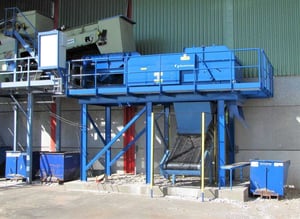
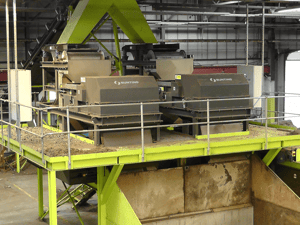
Eddy current separators are used in metal recycling, glass processing, plastics recycling, wood processing, and waste-to-energy operations. They recover non-ferrous metals from shredded vehicles, aluminum cans, electronic waste, and other mixed streams, and they remove conductive contaminants from glass cullet, plastic, and wood.
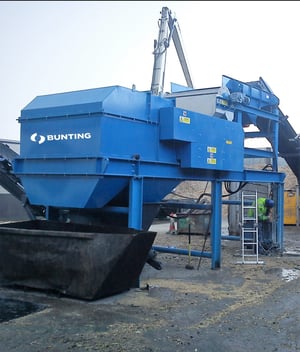
Application Photos


Talk to an Application Engineer
Not sure what you need? Let’s talk through your application and identify the right solution.