Skip to content
Get in touch with us at our toll-free number 1-800-835-2526 or request a quote here:    Request Quote
Industries

Plastics Recycling


Magnetic Separation, Metal Detection, and Conveyors

Increase Profit Through Cleaner Plastic and Consistent Output

In plastics recycling, profit is driven by material quality and consistency. Contamination lowers yield, creates rejects, and puts finished material at risk of missing buyer specifications. Even small amounts of metal can disrupt processing, lead to scrap, and reduce the value of every pound produced.

Bunting designs magnetic separation, metal detection, and conveying systems to help plastics recyclers deliver cleaner material, tighter consistency, and reliable output. By removing metal before it reaches critical processing stages, our systems help protect grinders, extruders, and pelletizers, preventing unplanned downtime that interrupts production and impacts margins.

Cleaner plastic means higher yield, fewer rejects, and stronger pricing from buyers.

Our equipment removes ferrous and non-ferrous metal from flakes, regrind, pellets, and mixed material streams early and consistently. This reduces scrap, limits rework, and helps maintain stable processing conditions so lines run predictably shift after shift and finished material stays within specification.

Every system is engineered to fit into existing processing lines with minimal disruption. The result is consistent quality, improved uptime, and plastics recycling operations that perform reliably, keeping material moving and profit intact.
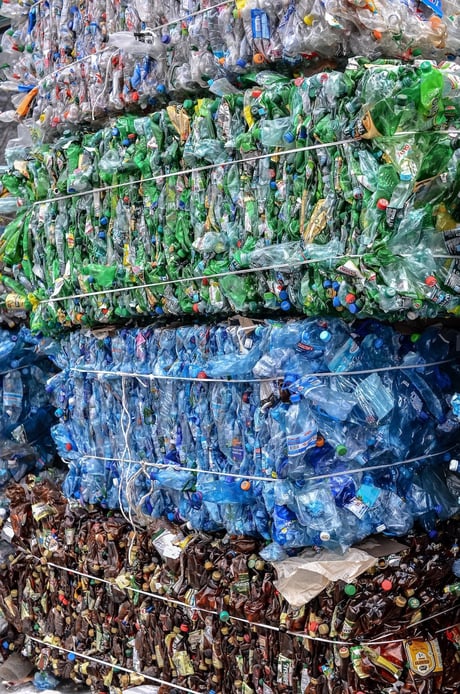
Plastics Recyling


Solutions

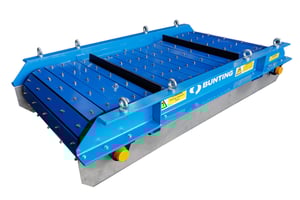
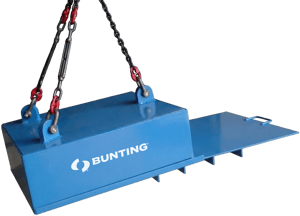
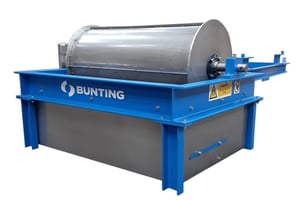
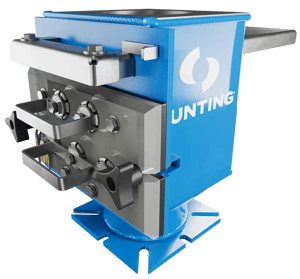
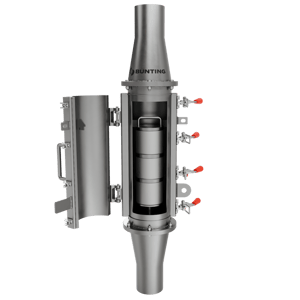
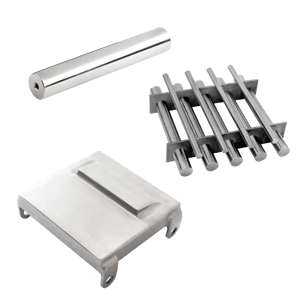
Magnetic Separation

Magnetic separation plays a critical role in protecting material quality and maintaining stable plastics recycling operations.

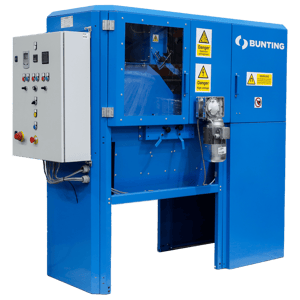
Bunting magnetic separators remove ferrous contamination from material streams before metal can compromise consistency or damage downstream equipment. Early removal helps protect grinders and extrusion systems, reducing unplanned stoppages that lead to scrap and lost production. Cleaner material supports higher yield, fewer rejects, and more predictable output.


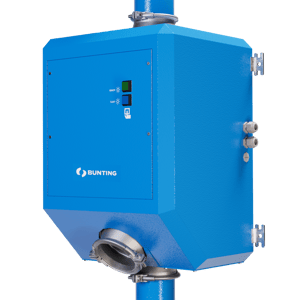
Metal Detection

Metal detection provides the final safeguard for material quality and line stability.

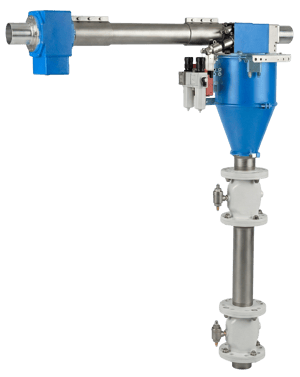
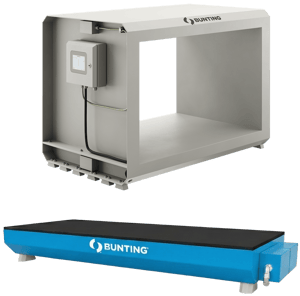
Bunting metal detectors identify and reject non-magnetic metals such as stainless steel and aluminum that pass beyond magnetic separation. Installed in gravity-fed, pneumatic, and conveyor applications, these systems help prevent off-spec material and reduce the risk of metal events that can shut down extrusion or pelletizing lines.


Conveyors

Consistent material flow supports consistent quality.

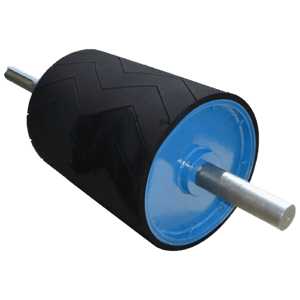
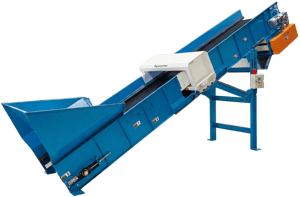
Bunting conveyors are designed to move material steadily through plastics recycling lines without introducing variation or disruption. Controlled flow helps maintain stable processing conditions, reduces handling issues, and supports consistent separation and detection, keeping lines running smoothly and material quality intact.


Industries Served

Post-Consumer Plastics Recycling

Post-consumer streams bring wide variation and high risk of contamination. Bunting systems help recyclers remove metal early in the process, improving consistency across washed and processed material. Cleaner output reduces rejects, stabilizes downstream processing, and supports tighter quality standards required by buyers.

Post-Industrial Plastic Scrap

Post-industrial scrap offers strong margin potential, but only when quality is protected. Bunting magnetic separation and metal detection systems help maintain clean material streams, preserving yield and reducing the risk of off-spec production. The result is predictable quality and less material loss during processing.

Plastic Regrind & Flake

Metal contamination in regrind and flake leads to scrap, rework, and inconsistent output. Bunting systems remove ferrous and non-ferrous metal before it can affect size, appearance, or melt consistency. This helps recyclers maintain tighter control over finished material and improve usable yield.

Pelletizing and Compounding

Pellet and compound buyers demand consistency. Even small metal contamination can result in rejected batches. Bunting solutions help recyclers maintain clean material throughout the process, reducing scrap, avoiding quality issues, and supporting repeatable, spec-compliant production.


Film, Rigid, and Mixed Plastics

Mixed plastic streams increase contamination risk and quality variation. Bunting systems help recyclers control metal contamination across film, rigid, and blended materials, improving consistency through washing, grinding, and extrusion. Cleaner streams mean fewer interruptions and more reliable finished product.

Plastic Sorting and Wash Lines

Sorting and wash lines set the foundation for material quality. Bunting equipment removes metal contamination at key transfer points, helping protect consistency through the wash process. Stable material flow and cleaner output reduce downstream issues and support higher-quality finished plastic.

cta-bkg

Talk to an Application Engineer

Need to remove metal from shredded scrap, recycled plastic, municipal waste, or ground tire rubber? Our experts will help you select the right magnetic separator or metal detector to protect your equipment, improve material purity, and keep your recycling line running efficiently.

FAQ's

How does contamination control increase profit in plastics recycling? Controlling metal contamination improves material quality, reduces scrap, and limits rework. Cleaner plastic helps recyclers maintain higher yield, meet buyer specifications, and avoid rejected loads, which directly improves margins.
Why is metal contamination a problem in plastics recycling?

Even small amounts of metal can disrupt processing, create defects, and cause off-spec material. Contamination leads to scrap, reprocessing, and lost value, especially in regrind, flake, and pellet production.

Why is protecting downstream equipment important in plastics recycling? Metal contamination can damage grinders, extruders, and pelletizers, leading to downtime, scrap, and lost production. Removing metal early helps keep lines running, maintains material consistency, and protects overall throughput.
Where should magnetic separation be used in plastics recycling lines? Magnetic separation is typically used at multiple points, including before grinding, before washing, and ahead of extrusion or pelletizing. Early and consistent removal helps maintain stable quality throughout the process.
What is the role of metal detection in plastics recycling? Metal detection identifies and rejects non-magnetic metals such as aluminum and stainless steel that magnets cannot remove. This final check helps prevent off-spec material and supports consistent, sellable output.
Can these systems handle flakes, regrind, and pellets? Yes. Bunting equipment is designed for a wide range of plastic forms, including flakes, regrind, pellets, film, and mixed material. Systems are selected and sized based on material type and process flow.
How does cleaner plastic affect buyer acceptance? Buyers demand consistent material with tight contamination limits. Cleaner plastic reduces variability, improves appearance and performance, and increases confidence that material will meet specifications load after load.
What causes yield loss in plastics recycling? Yield loss is commonly caused by contamination, inconsistent material flow, and rejected batches. Removing metal early and maintaining stable processing conditions helps recyclers keep more usable material in each run.
Are these systems designed to fit existing recycling lines? Yes. Systems are engineered to integrate into existing layouts with minimal disruption. Equipment is selected based on current throughput, material handling, and available space.
What is the benefit of consistent material flow? Consistent flow supports stable processing conditions, reduces variation, and helps maintain quality through washing, extrusion, and pelletizing. Stability leads to fewer interruptions and less material loss.
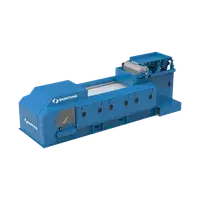
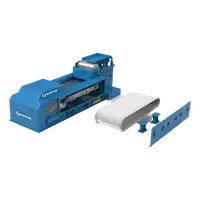
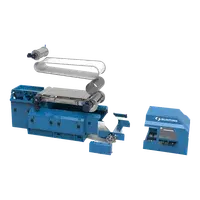
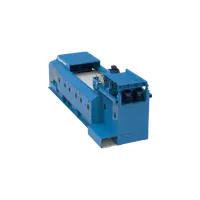
How do electrostatic separators fit into plastics recycling? Electrostatic separators are used after washing and drying to separate plastics by polymer type. Improving polymer purity helps recyclers meet tighter specifications and increase the value of finished material.

Animation