Skip to content
Get in touch with us at our toll-free number 1-800-835-2526 or request a quote here:    Request Quote
Industries

Metal Recycling

Increase Profit From Every Ton of Scrap

Metal recycling is a volume business. Profit is driven by how much sellable metal you recover, how fast you can process it, and how consistently your operation runs. Bunting designs magnetic separation and conveying systems with one goal in mind, helping metal recyclers pull more value out of every ton they process.

Family-owned since 1959, Bunting works directly with scrap processors, shredder operators, and recovery facilities to build systems that increase recovery, support heavy tonnage, and fit into existing lines. Every solution is engineered around your layout, throughput, and material mix so you can recover more metal without slowing production.

How Bunting Systems Increase Profit

  • Recover more ferrous, non-ferrous, and stainless steel from mixed scrap
  • Turn lost material into sellable product
  • Run heavy tonnage in continuous shredder environments
  • Maintain steady performance with simple maintenance
  • Keep material moving with custom conveyor systems
  • Retrofit into existing lines with engineering support
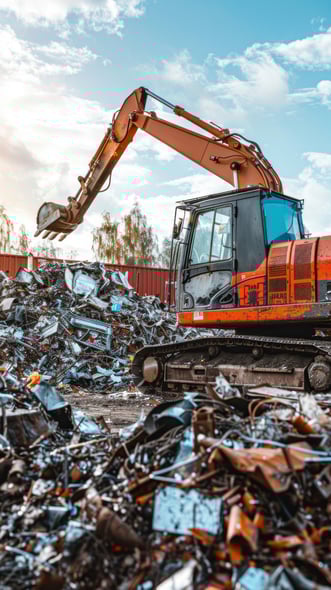
Metal Recycling Plant_Digital


Industries Served

Auto Shredding & ASR

Bunting magnetic separators and eddy current separators are critical to auto shredding operations where profit depends on recovery rates. These systems capture ferrous, non-ferrous, and stainless steel from shredded vehicles and residue streams, increasing metal yield and improving the value of recovered steel, aluminum, and copper at scale.

Construction & Demolition Recycling

Mixed C&D scrap contains recoverable metal that often goes unclaimed. Bunting separation systems help recyclers pull ferrous and non-ferrous metals from debris streams, turning material that would otherwise be discarded into sellable product. The result is higher recovery per ton and improved margins on variable feedstock.

E-Scrap Recycling

E-scrap contains high-value metals, but only if they are effectively separated. Bunting systems are used to recover ferrous and non-ferrous metals from shredded electronics, increasing yield from circuit boards, housings, and mixed scrap. Higher recovery translates directly to greater return from each load processed.

Foundries and Steel Mills

Metal loss during handling and reprocessing adds up quickly. Bunting magnetic separation systems help foundries and steel mills recover valuable metal from scrap streams and returns, improving material utilization and reducing waste. More recovered metal means lower raw material costs and stronger margins.

Industrial Metal Scrap

Industrial scrap streams often contain recoverable metal that is missed without proper separation. Bunting systems help processors capture more ferrous and non-ferrous material from mixed industrial scrap, increasing recovery rates and improving the overall value of outgoing loads.

Material Recovery Facilities (MRFs)

MRFs handle mixed streams where metal recovery directly impacts profitability. Bunting magnetic and eddy current systems recover ferrous and non-ferrous metals from high-volume material flows, creating cleaner product streams and adding metal revenue without slowing throughput.

Municipal Solid Waste (MSW)

Metal recovery from MSW reduces disposal costs while creating an added revenue stream. Bunting separation systems capture ferrous and non-ferrous metals from waste streams, allowing operators to reclaim value from material that would otherwise be lost.

Solutions

Magnetic Separation

Magnetic separation is about one thing, pulling more sellable metal out of every ton you process.

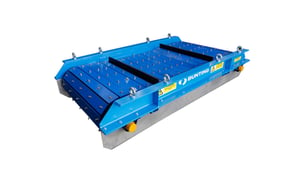
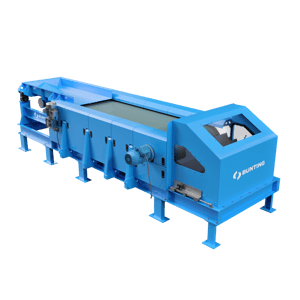
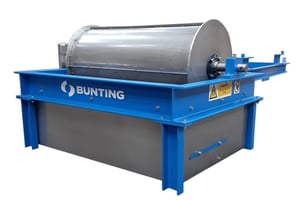
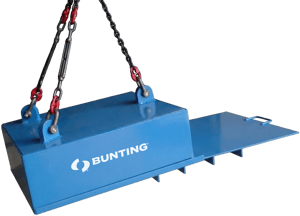
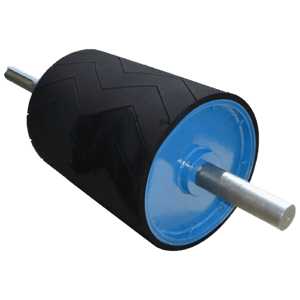
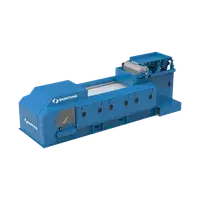
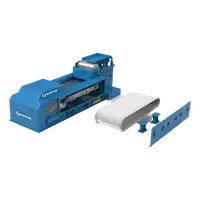
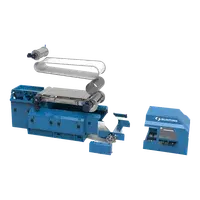
Bunting magnetic separation systems are designed to increase recovery of ferrous, non-ferrous, and stainless steel from mixed scrap. By capturing more metal that would otherwise pass through or end up in residue, these systems turn lost material into revenue. Built for continuous shredder environments, they handle heavy tonnage day after day while maintaining consistent separation and simple maintenance.

Higher recovery rates. Cleaner product streams. More value per load.


Industrial Conveyors

Material that doesn’t move efficiently costs money.

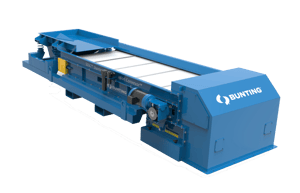
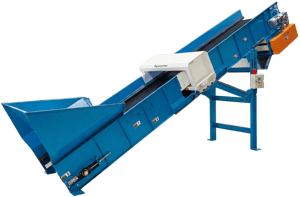
Bunting conveyors are built to keep scrap moving at the pace your operation demands. Designed for abrasive, high-volume metal recycling, our custom conveyor systems support steady throughput and consistent separation across the entire line. By matching conveyor design to your layout and tonnage, you avoid bottlenecks, reduce rehandling, and keep revenue flowing from intake to discharge.

cta-bkg

Talk to an Application Engineer

Looking to recover more value from shredded scrap? Our application engineers help metal recyclers increase recovery, maintain throughput, and improve profit per ton with systems built for real-world operations.

FAQ's

By integrating magnetic separation, metal detection, and conveying systems, Bunting helps recyclers remove contaminants, recover valuable metals, and protect downstream equipment—delivering cleaner output with greater operational efficiency.
How does magnetic separation increase profit in metal recycling? Magnetic separation increases profit by recovering more ferrous, non-ferrous, and stainless steel from mixed scrap. Higher recovery rates turn material that would be lost in residue into sellable product, increasing revenue per ton processed.
What types of metal can be recovered from mixed scrap? Metal recycling systems recover ferrous metals such as steel and iron, non-ferrous metals such as aluminum and copper, and stainless steel. Effective separation improves material quality and increases the value of recovered metals.
Can Bunting systems handle high-tonnage shredder operations? Yes. Bunting magnetic separation and conveyor systems are designed for continuous, high-tonnage shredder environments. They are built to process heavy volumes of abrasive scrap while maintaining consistent recovery and throughput.
Where are magnetic separators typically installed in metal recycling lines? Magnetic separators are commonly installed before and after shredders, along conveyor lines, and at transfer or discharge points. These locations allow recyclers to capture valuable metal throughout the process and maximize overall recovery.
Can these systems be retrofitted into existing metal recycling lines? Yes. Bunting systems are engineered to retrofit into existing operations. Equipment is designed around current layouts, tonnage requirements, and material flow so recyclers can increase recovery without rebuilding their entire line.
How does stainless steel recovery impact profitability? Stainless steel often carries higher value than standard ferrous scrap. Recovering stainless steel from mixed material increases total revenue per load and improves the quality of outgoing product streams.
Do dirty or abrasive scrap materials affect performance? No. Bunting equipment is designed for harsh metal recycling environments, including dusty, abrasive, and irregular scrap. Systems maintain consistent separation and recovery performance under real-world operating conditions.
What is the fastest way to improve profit per ton in metal recycling? Improving metal recovery is the fastest way to increase profit per ton. Capturing more ferrous, non-ferrous, and stainless steel from each load directly increases sellable output without increasing incoming material volume.
Q: What types of metal recycling operations use these systems? These systems are used in auto shredding and ASR processing, industrial scrap yards, construction and demolition recycling, e-scrap recovery, foundries, steel mills, MRFs, and municipal solid waste facilities.

Animation