
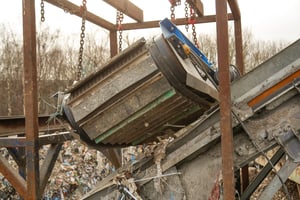
Application guidance: Overband magnets need a correctly designed ferrous-free zone beneath and around the conveyor. Steel idlers, conveyor frames, side skirts and chutes inside the magnetic field can become magnetized, reducing tramp metal separation performance.
A ferrous-free zone is the area around an overband magnet or suspension magnet where steel and other ferrous structures should be avoided. This matters because steel idlers, conveyor frames, side skirts and chutes can become magnetized when they sit inside the separator’s magnetic field. Once magnetized, they can attract tramp metal and compete with the magnet above the conveyor.
In practical terms, poor conveyor design can cause ferrous contamination to be missed, held on the conveyor structure, or trapped in discharge chutes. For recycling, biomass, wood waste, quarrying, mining and bulk handling plants, maintaining a suitable ferrous-free zone helps the magnet do its job: lifting tramp ferrous metal out of the conveyed burden and moving it safely away from the product stream.
Contents
- What Is a Ferrous-Free Zone?
- How Overband Magnets Remove Tramp Metal
- Why Steel Becomes Magnetic Under an Overband Magnet
- How Steel Idlers Affect Separation Performance
- Why Conveyor Frames, Side Skirts and Chutes Also Matter
- Common Problems Caused by Magnetized Steelwork
- How to Reduce Magnetized Steelwork Around the Conveyor
- Conveyor Design Checklist
- When to Get Technical Advice
- Frequently Asked Questions
What Is a Ferrous-Free Zone?
A ferrous-free zone is the area around an overband magnet or suspension magnet where ferrous metal should be removed or replaced with non-magnetic materials. The aim is to prevent nearby steelwork from becoming magnetized and interfering with tramp metal separation.
This zone is especially important directly beneath the magnet, where the magnetic field passes through the conveyed material. It can also matter around the sides of the conveyor, discharge area, support frame and any chutework close to the magnet.
There is no single universal ferrous-free distance that applies to every installation. The required zone depends on the magnet type, magnetic field depth, magnet size, suspension height, conveyor width, burden depth and the amount of steelwork near the separator.
How Overband Magnets Remove Tramp Metal
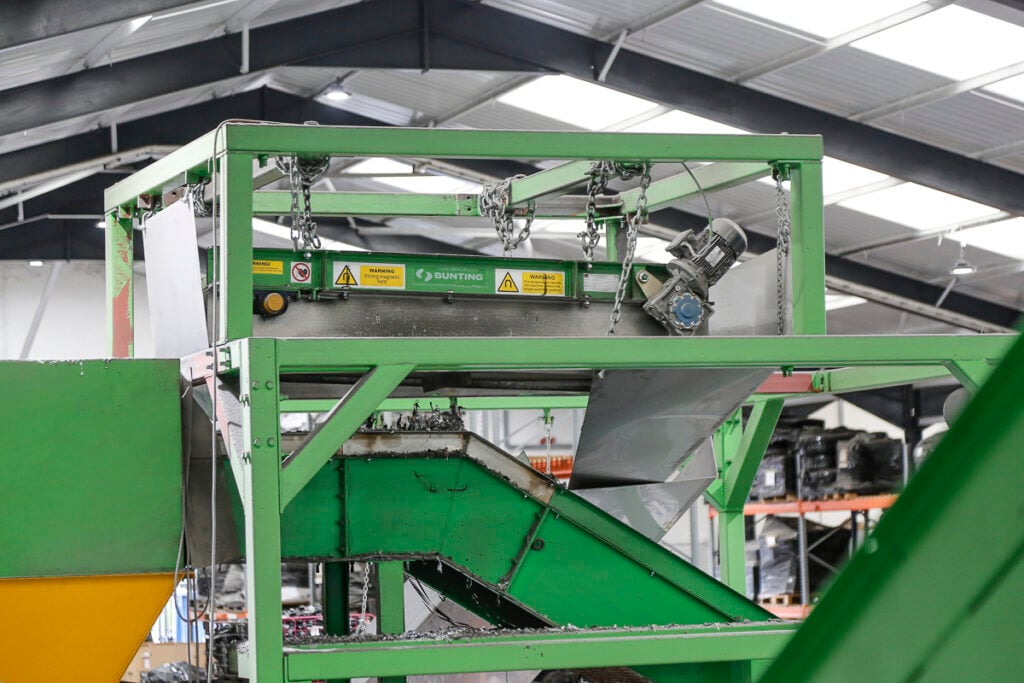
An overband magnet is suspended above a conveyor to remove tramp ferrous metal from conveyed material. The magnet projects a magnetic field down through the burden on the belt. Ferrous metal is attracted upward and lifted out of the product stream.
With a suspension magnet, the captured metal is held on the magnet face until it is manually cleaned. With a self-cleaning overband magnet, a continuously moving belt carries the captured metal away from the separation area and discharges it into a collection zone.
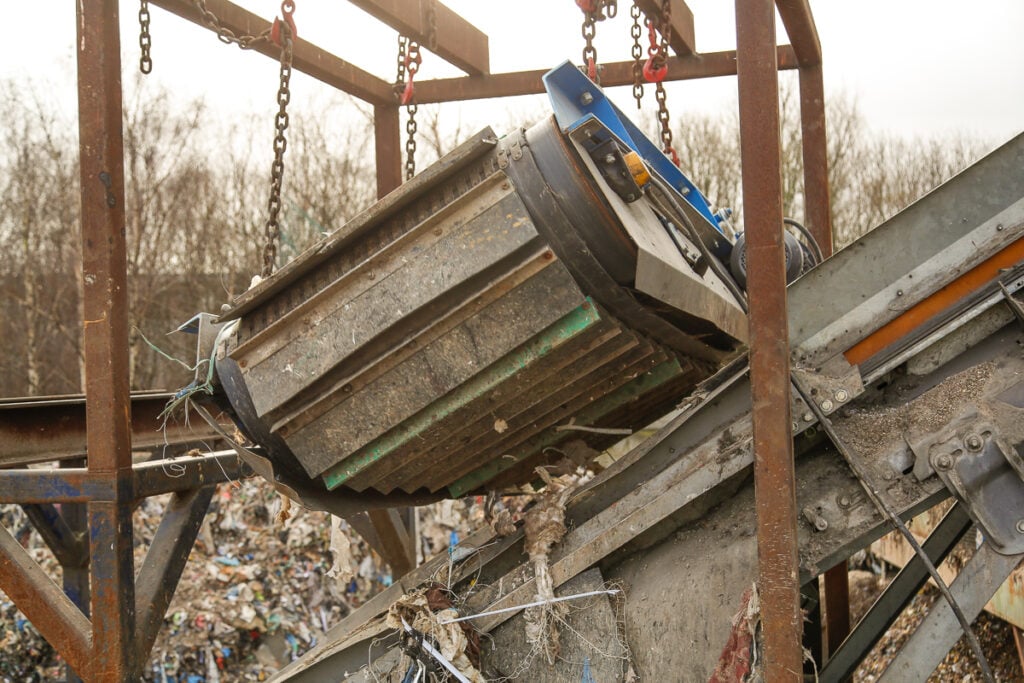
Overband and suspension magnets are used across many industries, including recycling, quarrying, mining, aggregates, biomass, waste processing and bulk handling. They help protect crushers, screens, shredders, conveyors and other downstream equipment from damaging tramp metal.
The strength and shape of the magnetic field varies between magnet designs. Larger magnets generally produce stronger and deeper magnetic fields, which can be important where the conveyor burden is deep or the magnet must be suspended higher above the belt.
Why Steel Becomes Magnetic Under an Overband Magnet
Steel is not always magnetic in its natural state, but it can become magnetized when placed inside a magnetic field. Under an overband magnet or suspension magnet, nearby steel can act like a temporary magnet.
This is the key reason a ferrous-free area is important. If steel idlers, conveyor frames, support structures, side skirts or chutes sit inside the magnetic field, they can attract ferrous metal themselves. Instead of all tramp metal being pulled cleanly upward toward the separator, some pieces may be drawn toward the steelwork below or around the conveyor.
The effect is most noticeable when steel is close to the conveyed product or sits directly within the working magnetic field of the separator.
How Steel Idlers Affect Overband Magnet Performance
Conveyor idlers are one of the most important areas to review when installing an overband magnet. In many conveyors, the belt runs over steel idlers. If these idlers are positioned beneath the magnet, they can become magnetized.
When a tramp metal item enters the separation zone, it may be attracted upward by the overband magnet and downward or sideways by the magnetized steel idler. The two magnetic forces compete. If the attraction from the magnetized idler is strong enough, the tramp metal may not be lifted cleanly out of the burden.
This can reduce separation performance and allow ferrous contamination to travel beyond the magnet. In applications where the magnet is protecting a crusher, shredder or screen, a missed item of tramp metal can create a serious equipment damage risk.
| Conveyor Component | What Can Happen Inside the Magnetic Field? | Potential Result |
|---|---|---|
| Steel idlers | Become magnetized beneath the belt | Can attract tramp metal and compete with the overband magnet |
| Steel conveyor frame | Becomes magnetized near the separation zone | Can hold lifted ferrous metal on the frame |
| Steel side skirts | Attract loose ferrous metal close to the belt edges | Can create build-up and difficult-to-clean areas |
| Steel discharge chutes | Become magnetized where captured metal is discharged | Can hold tramp metal and contribute to blockages |
Why Conveyor Frames, Side Skirts and Chutes Also Matter
Steel idlers are not the only concern. Any steel structure within the magnetic field can become magnetized. This includes conveyor frames, guards, side skirts, discharge chutes and surrounding support steelwork.
Although the conveyor frame may sit away from the main product stream, separated tramp metal can still be attracted to it after being lifted out of the burden. Instead of being carried away cleanly by the overband magnet’s self-cleaning belt, ferrous metal can stick to magnetized steelwork around the conveyor.
Steel side skirts and discharge chutes can create similar problems. If they become magnetized, small ferrous items may be held against the side of the conveyor or chute. In some applications, this creates persistent metal build-up and cleaning issues.
Common Problems Caused by Magnetized Steelwork
Magnetized steelwork around an overband magnet can cause several practical problems on site. Some affect separation efficiency. Others affect housekeeping, maintenance and plant reliability.
Missed Tramp Metal
If a steel idler or frame competes with the overband magnet, tramp ferrous metal may remain in the product burden and pass beyond the separation zone. This is a particular concern before crushers, shredders, screens and other vulnerable equipment.
Metal Build-Up on Conveyor Structure
Ferrous items lifted from the burden may become attracted to magnetized conveyor frames or side skirts. Over time, this can leave metal contamination clinging to areas where operators do not expect it.
Blockages in Discharge Chutes
Where a discharge chute is made from steel and sits within the magnetic field, separated tramp metal may stick to the chute wall. In wood waste, biomass and similar applications, nails, screws and smaller ferrous items can accumulate and contribute to blockages.
Reduced Confidence in Separator Performance
When tramp metal is found downstream of a magnet, the separator is often blamed first. In some cases, the real issue is not the magnet itself but the presence of steelwork inside the magnetic field.
How to Reduce Magnetized Steelwork Around the Conveyor
The most effective way to reduce magnetized steelwork is to remove ferrous metal from the working magnetic field wherever practical. This may require changes to the conveyor structure around the magnet installation point.
Typical corrective actions include:
- Replacing steel idlers beneath the magnet with non-magnetic idlers, such as plastic or suitable non-magnetic stainless steel alternatives
- Cutting out steel frame sections within the magnetic field and replacing them with non-magnetic stainless steel
- Changing steel frame panels near the separation zone to non-magnetic stainless steel
- Reviewing side skirts, guards and chutework for ferrous materials close to the magnet
- Checking the discharge path so captured metal can leave the magnet without sticking to magnetized steelwork
These changes add cost to an installation, but they help protect the separation performance of the overband or suspension magnet. They also reduce the risk of tramp metal building up on the conveyor frame or discharge chute.
Where the conveyor is new, it is usually easier to design the ferrous-free zone correctly from the start. For existing conveyors, the practical approach is to review the magnet location, identify ferrous components inside the magnetic field, and replace the highest-risk items first.
Conveyor Design Checklist for Overband Magnet Ferrous-Free Zones
Before installing an overband magnet, plant engineers should review the conveyor area around the separator rather than focusing only on the magnet specification.
| Question | Why It Matters |
|---|---|
| Are the idlers beneath the magnet steel? | Steel idlers can become magnetized and compete with the separator. |
| Is there steel frame directly under or beside the magnet? | Magnetized steelwork can attract and hold separated tramp metal. |
| Are the side skirts or guards made from steel? | Ferrous side structures may collect nails, screws, wire and other small metal. |
| Is the discharge chute made from steel? | Captured metal can stick to the chute wall and build up over time. |
| Is the burden depth suitable for the magnet? | Deep material burdens may require a stronger or deeper magnetic field. |
| Is the magnet suspended at the correct height? | Excessive suspension height can reduce separation efficiency. |
| Has the magnet type been matched to the application? | Permanent and electromagnetic overband magnets suit different duties. |
For demanding conveyors, such as those in aggregates, mining and biomass processing, the ferrous-free zone should be reviewed alongside conveyor width, burden depth, tramp metal size, throughput and installation height.
When to Get Technical Advice
Technical advice is recommended whenever the overband magnet is protecting critical downstream equipment, handling deep burdens, operating above a wide conveyor, or working in a process where tramp metal is frequent or severe.
A review should consider:
- The type and size of tramp ferrous metal expected
- The conveyor width and belt speed
- The burden depth and material density
- The magnet suspension height
- The location and material of idlers, frames, guards and chutes
- The available discharge path for captured metal
- Whether a permanent or electromagnetic overband magnet is more suitable
Bunting supplies magnetic separation equipment for industrial conveyors and bulk material handling lines. For demanding applications requiring deeper magnetic field penetration, an ElectroMax overband magnet may be suitable. For simpler conveyor protection duties, a permanent overband magnet may be the better option.
Frequently Asked Questions
Protecting Separation Performance Starts with Conveyor Design
An overband magnet can only perform correctly when the surrounding conveyor structure allows the magnetic field to work as intended. Steel idlers, conveyor frames, side skirts and chutes inside the magnetic field can become magnetized, attracting tramp metal and reducing separation efficiency.
For new installations, build the ferrous-free zone into the conveyor design. For existing conveyors, inspect the area around the magnet and identify steel components that may need replacing with non-magnetic alternatives.
For help reviewing an existing conveyor or specifying an overband magnet for a new installation, contact Bunting’s technical team.