

Magnetic Separation For Food Conveyors
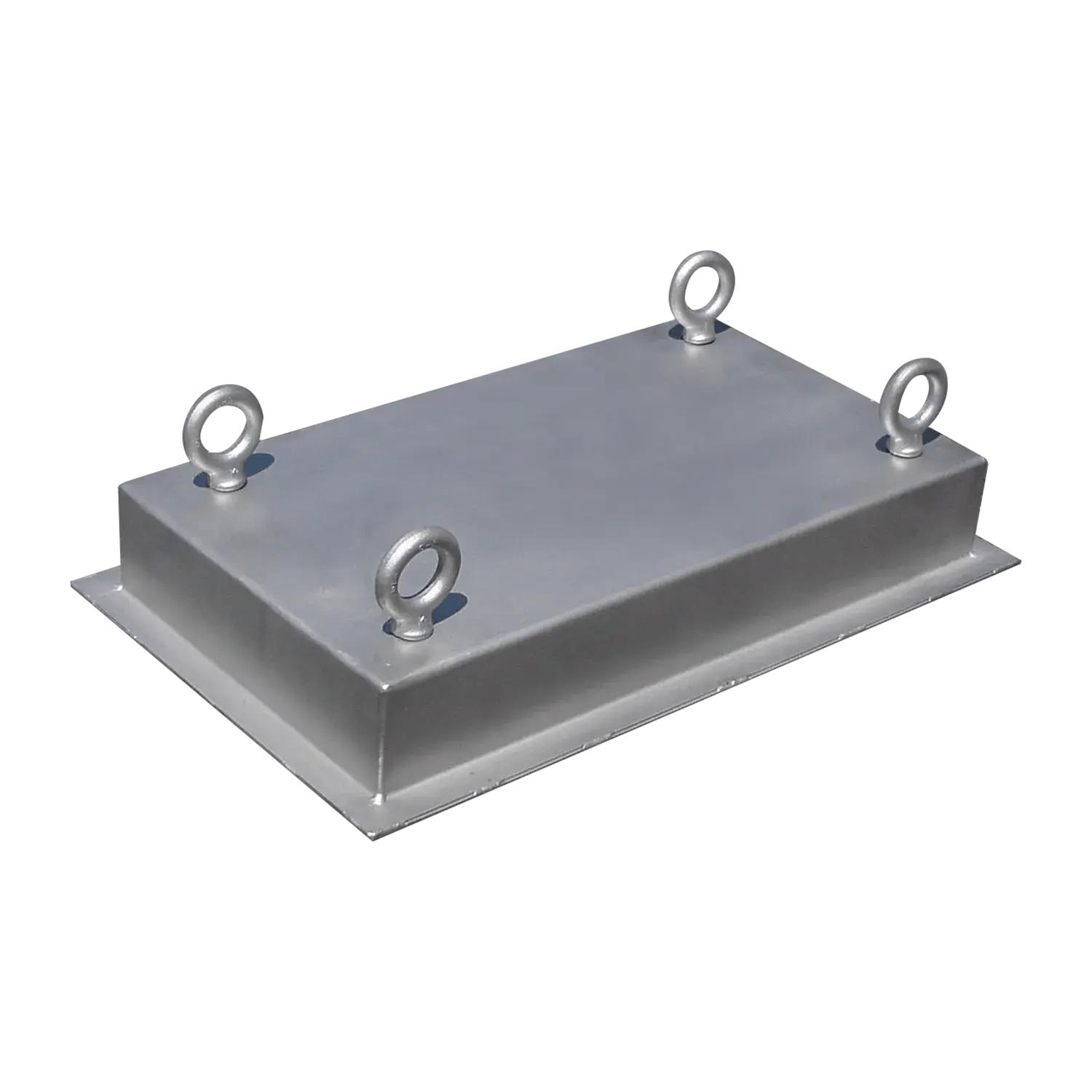
Suspended Plate Magnet
Remove ferrous metal from food ingredients on open conveyors.
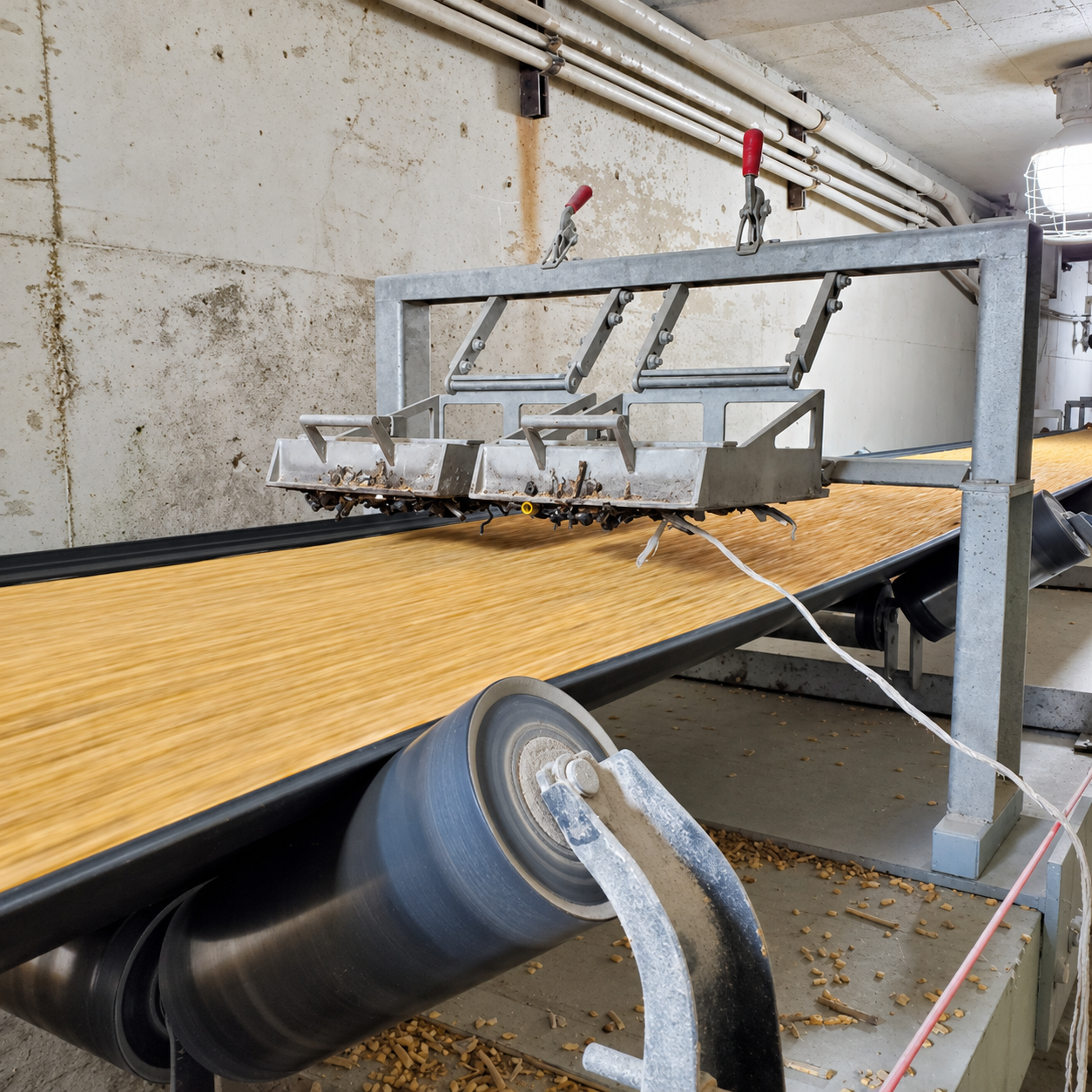
Suspended above the product stream, the magnet captures ferrous objects and fines in grains, dry powders, and raw or processed food products. Match the magnetic assembly to your belt, material depth and target contaminant.
- Open ConveyorsFlat or trough belts
- Ferrous MetalObjects and fines
- Ceramic Or Rare EarthLight to deep burdens
Match The Magnet To The Material Flow
Overhead Separation For Bulk Food Products
Use a suspended plate where ingredients travel on an open conveyor and ferrous contamination needs to be removed before the next process step.
Grains And Particulates
Review conveyed grains and other bulk ingredients. Belt shape, product density and burden depth determine the magnetic reach needed.
Dry Powders
For powders carried on open belts, provide the layer depth and belt speed. Thin, light layers and deeper burdens require different magnetic assemblies.
Raw And Processed Foods
Describe product size, moisture, temperature and cleaning conditions. Bunting can select the construction and magnetic configuration for your process.
Choose By Flow Path
A suspended plate sits above an open conveyor or drop-off point. For enclosed spouting, consider a Plate Housing Magnet. For pumped food liquids, see the Liquid Magnetic Separator.
Equipment In Application
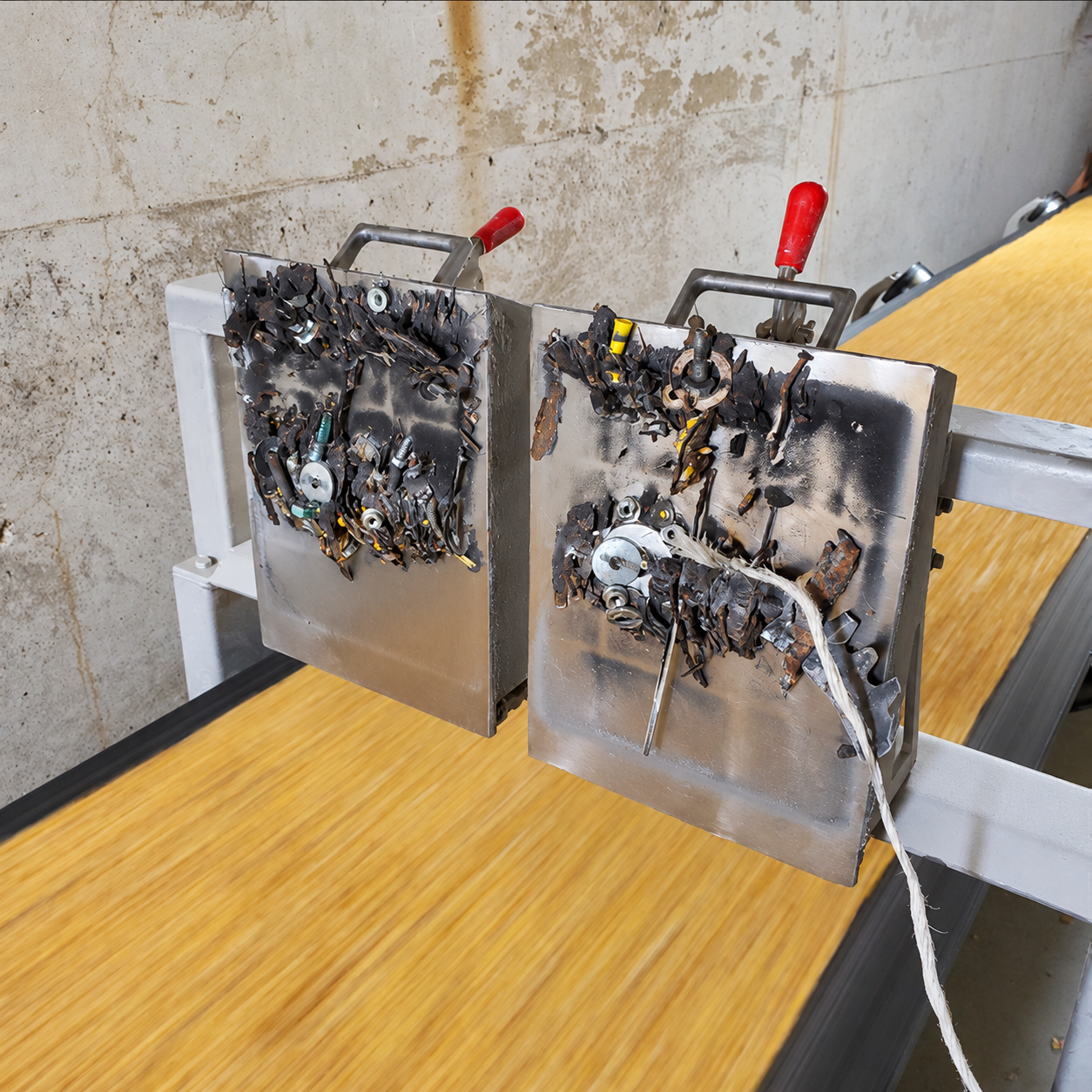
Suspended Plate Magnets In Use
See the overhead installation and captured metal in these application photos. Select a photo for a closer view.
Capture, Retain, Remove
How The Suspended Plate Works
01
Product Passes Below
The magnetic face is suspended over the conveyor or selected transfer point. Product moves through the magnetic field.
02
Ferrous Metal Is Captured
The magnet attracts and retains magnetically responsive iron and steel contamination above the moving product stream.
03
Captured Metal Is Removed
Operators remove collected contamination during cleaning. An optional sliding stripper plate assists removal from the magnetic face.
Removing ferrous contamination helps protect downstream processing equipment and improve product purity.
Equipment Selection
Configure For Your Conveyor
Bunting sizes the magnet to your belt width, product depth, belt speed and target metal, so the magnetic reach matches your burden.
- Equipment Role
- Overhead ferrous separation on open conveyors
- Materials
- Grains, dry powders, particulates, raw and processed food products
- Conveyor Arrangements
- Flat-belt and trough conveyors; conveyor drop-off points
- Magnetic Options
- Ceramic and rare earth configurations
- Construction
- Stainless steel design; food and sanitary grades available
- Sizing
- Sized to your conveyor belt width
- Mounting
- Suspension eye-bolts; optional free-standing support frame
- Cleaning Option
- Sliding stripper plate for captured ferrous contamination
Light, Medium And Deep-Reach Applications
Three series cover light to deep burdens. The 450 Series handles light-duty flat belts and thin product layers, with a rare earth upgrade for fines. The 650 Series handles medium-duty applications with lighter burdens. The 950 Series reaches deeper into troughed belts at higher conveyor speeds.
Share your operating gap, deepest burden and belt speed, and Bunting will specify the series and provide a drawing and quotation.
Ceramic Or Rare Earth Magnets?
Ceramic magnetic assemblies are used for reach into conveyed material. Rare earth models are available where the application requires a higher-intensity field. Choose the assembly against the target contaminant and its distance from the magnetic face, together with product depth, density and speed.
Plan Installation And Cleaning Access
Mounting, Construction And Metal Removal
Overhead Mounting
Eye-bolts support handling and suspension. A sturdy, free-standing, bolt-together support frame is an available mounting option. Provide the conveyor layout and available headroom.
Sliding Stripper Plate
The optional stripper plate slides out to assist cleaning away from the product stream. Plan access and a collection location for removed contamination.
Food And Sanitary Grades
Specify the required finish, cleaning chemistry and sanitation procedure. Bunting can match the construction to your food-processing environment.
What Should The Cleaning Plan Include?
Include cleaning frequency, contamination loading, safe access to the face or stripper plate, and a way to keep removed metal out of the product stream. Define procedures for the selected equipment and your site.
Evaluate With Your Product
Test With Your Material At Our Facility
Discuss your material, target contaminant and separation goal with Bunting. Review a suitable test approach before arranging a sample shipment.
Application Review And Quotation
Specify Your Suspended Plate Magnet
Tell a Bunting application engineer what you convey and what you need to remove. Include Suspended Plate Magnet in your inquiry.
Useful Information To Include
- Food product, particle size, moisture and bulk density
- Target metal, contaminant size and expected loading
- Belt width, flat or trough arrangement, and belt speed
- Maximum burden depth, throughput and operating gap
- Headroom, mounting layout and cleaning access
- Sanitation requirements, operating temperature, facility location and timing
Request a current specification sheet and dimensional drawing for your configuration.
Contact Bunting DirectlyDiscuss Your Application
Suspended Plate Magnet Questions
Does It Remove All Types Of Metal?
Suspended Plate Magnets target ferrous contamination. Non-ferrous metals and non-magnetic stainless steel require a different detection or separation approach. Conveyor metal detection can complement magnetic separation where additional metal risks need to be addressed.
Where Should It Be Installed?
Above an open conveyor or conveyor drop-off point at the selected ferrous-removal location. Share the full line layout, burden depth and metal risk so Bunting can review placement and operating clearance.
Is A Suspended Plate The Same As An Overband Magnet?
A suspended plate retains captured ferrous metal on its face for removal during cleaning. A self-cleaning overband uses a moving belt to carry captured metal away. Review contamination loading and the required cleaning method when selecting equipment.
Explore Permanent Suspended MagnetsHow Do I Select The Operating Gap?
Provide the distance from the magnetic face to the belt, the deepest product burden, belt speed and target contaminant. Bunting will recommend the series and suspension height for those conditions.