
CHALLENGE
Tramp metal can cause costly damage to crushers and screening equipment.
The customer was processing quarried magnesium limestone used in the production of road aggregate, refractory bricks, and other construction materials.
During extraction and material handling, ferrous contaminants such as steel plates, wire, bars, and broken plant components can become mixed with the conveyed rock. If these materials reach crushers and screens, they can cause significant equipment damage, unplanned downtime, and expensive repairs.
The operation needed a reliable way to remove tramp ferrous metal before the crushing process while maintaining continuous material flow.
SOLUTION
A powerful electromagnetic overband magnet provided continuous protection.
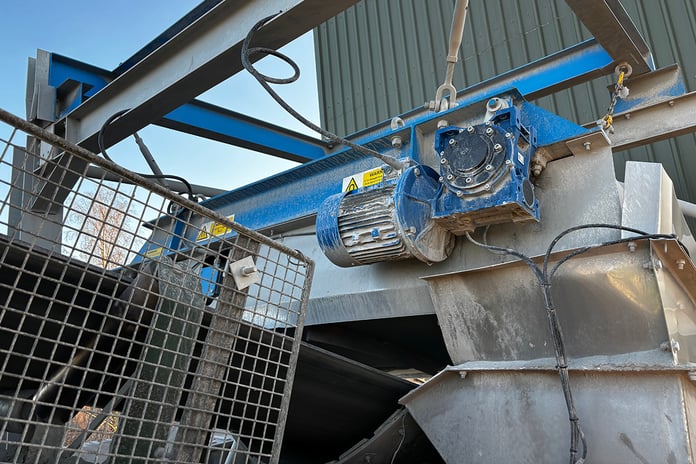
Bunting supplied an ElectroMax-Plus 120 Overband Magnet to remove tramp ferrous metal from conveyed quarry material before it entered the crushing and screening process.
The self-cleaning electromagnetic separator continuously lifts and automatically discharges captured metal into a separate collection area, ensuring contaminants are removed without interrupting production.
Designed for applications where installation space is limited or additional magnetic strength is required, the ElectroMax-Plus combines high separation performance with a compact footprint.
SYSTEM DESIGN
Engineered for demanding aggregate processing environments.
The ElectroMax-Plus 120 was installed above an 800 mm wide conveyor transporting quarried rock with particle sizes ranging from 150 to 300 mm.
Key features included:
-
Self-cleaning belt for continuous metal removal
-
Air-cooled electromagnetic coil
-
Lightweight design compared to traditional electro overband magnets
-
Compact installation footprint
-
Automatic discharge of captured tramp metal
The magnet was suspended approximately 500 mm above the conveyor belt, providing effective separation while accommodating the material burden depth.
RESULT
Reduced risk of crusher damage and production downtime.
Following installation, the ElectroMax-Plus removed a wide range of ferrous contaminants, including large steel plates, wire, bars, and broken plant components.
The continuous removal of tramp metal helped protect critical processing equipment and reduced the risk of costly downtime associated with crusher and screen damage.
The quantity of metal recovered highlighted the importance of magnetic protection within the operation and provided greater confidence in plant reliability.
WHY IT MATTERS
Preventing damage is often more cost-effective than repairing it.
In aggregate processing, tramp metal can have a significant impact on equipment performance and maintenance costs. Installing a powerful overband magnet helps protect crushers, screens, and conveyors while maintaining production efficiency.
By removing ferrous contaminants before they reach downstream equipment, operators can reduce downtime, extend equipment life, and improve overall plant reliability.
FREQUENTLY ASKED QUESTIONS
1. What is an overband magnet used for?
An overband magnet is used to remove ferrous metal contamination from conveyed material. It is commonly installed above conveyor belts in recycling, quarrying, mining, and aggregate processing applications.
2. Why is tramp metal a problem in aggregate processing?
Tramp metal can damage crushers, screens, and conveyors, leading to unplanned downtime, costly repairs, and reduced production efficiency.
3. What is the difference between a permanent and electromagnetic overband magnet?
Permanent overband magnets use rare earth or ceramic magnets to generate a magnetic field, while electromagnetic overband magnets use an energized coil. Electromagnetic systems are often selected when greater magnetic reach or lifting power is required.
4. How does a self-cleaning overband magnet work?
A self-cleaning overband magnet uses a continuously rotating belt to remove captured ferrous metal from the magnet face and discharge it into a separate collection area.
5. How high above a conveyor can an overband magnet be installed?
Installation height depends on the material burden depth, conveyor width, and separation requirements. Overband magnets are designed to provide effective metal recovery while maintaining adequate clearance above the conveyed material.